Every repair company says it will tell you honestly when a machine is finished. Rather less common is being told what the test actually is, so here it is.
The rule
If the repair costs more than half the price of a comparable new appliance, and the machine is past two thirds of its expected life, replacement is the better spend. Neither test decides it on its own. A five-year-old machine with an expensive problem is usually still worth fixing; a fifteen-year-old machine with a cheap one certainly is.
Expected life, roughly
- Refrigerator: thirteen years, less for a side-by-side with a dispenser.
- Washer: eleven years. Front-loaders shorter if they have never been left open to dry.
- Dryer: thirteen years, and largely decided by how well the vent was run.
- Dishwasher: ten years, and hard water shortens it noticeably.
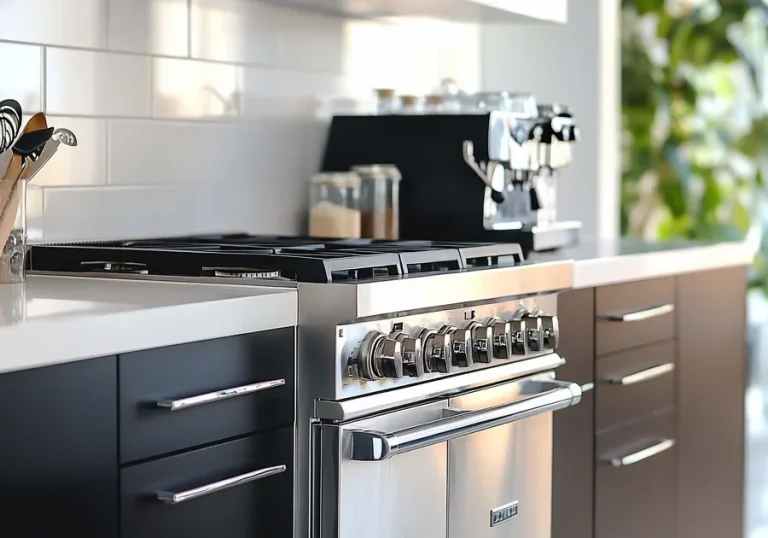
- Range or wall oven: fifteen years and often a good deal longer, because there is less to go wrong.
The problems that usually end it
A sealed system leak on a refrigerator past ten years. A washer that needs both the bearing and the outer tub, because on most designs those come as one assembly. A dryer with a cracked drum. Any machine needing two major parts in the same visit.
The problems that never should
Anything on the drain side. Any door seal, hinge or latch. A control board on a premium machine, which sounds expensive and is still a fraction of a replacement. Fans, thermostats, igniters, valves.
The part nobody mentions
A built-in appliance is worth repairing well past the point where a freestanding one is not, because replacing it means matching an opening that may no longer be a standard size. The same problem gives two different answers depending on where the machine sits.
Call (847) 555-0142.